Creating A More Reliable Routine For Monthly Bill Payments
Bill payments are a regular part of household financial management, but they can become difficult to track when several expenses fall on different dates. A loan app may provide access to borrowing-related features, but recurring bills should ideally be planned through regular income and monthly budgeting rather than depending on new credit.
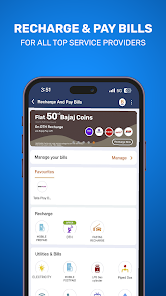
A structured bill-payment routine can help users reduce missed due dates, duplicate payments, and last-minute cash-flow pressure. The goal is not only to pay on time, but also to understand how recurring expenses fit within the broader monthly budget.
Start With A Complete List Of Recurring Bills
The first step is knowing exactly what needs to be paid.
Typical recurring expenses may include:
- Electricity
- Mobile
- Broadband
- Gas
- Insurance
- Rent-related payments
- Subscription services
Keeping these obligations visible helps users estimate how much of their monthly income is already committed before discretionary spending begins.
Group Bills By Due Date
Bills often arrive at different points in the month.
Users may find it helpful to group them into early-, mid-, and late-month obligations.
This can make it easier to plan cash flow around:
- Salary credit
- EMI dates
- Rent
- Household expenses
A payment schedule can reduce the chance of several bills becoming due unexpectedly at the same time.
Set Aside Money Before The Due Date
One of the simplest ways to avoid missed payments is to reserve money in advance.
Instead of waiting until the bill becomes due, users can allocate the expected amount shortly after income is received.
This can be especially useful for:
- Utilities
- Insurance
- EMIs
- Other fixed commitments
Early allocation reduces the chance of spending money that will be needed later.
Separate Essential Bills From Optional Expenses
Not every recurring payment has the same importance.
Essential bills may include utilities and insurance, while discretionary recurring expenses may include certain subscriptions or memberships.
During a tight month, users can prioritize essential payments first.
This makes it easier to protect important services while reviewing whether optional expenses can be reduced.
Check Bill Details Before Paying
Before completing a payment, users should verify:
- Biller name
- Account or consumer number
- Amount due
- Due date
This helps reduce the risk of paying the wrong account or entering an incorrect amount.
A quick review before authorization can prevent a much more complicated correction later.
Treat Payment Status As Important Information
A payment attempt may appear as successful, pending, or failed.
Users should understand the difference.
If a transaction is pending, another payment should not be made automatically without checking the status.
This can reduce the risk of duplicate transactions.
Keep Transaction References Accessible
Digital bill payments usually create a transaction record.
Users may want to retain:
- Date
- Amount
- Biller
- Transaction ID
- Status
These records can help when a service provider does not immediately update the payment.
They are also useful for monthly expense reviews.
Use Reminders As A Backup
Digital reminders can help users keep track of due dates.
Useful approaches may include:
- Calendar reminders
- App notifications
- Personal finance reminders
However, users should not depend on only one notification source.
A simple backup reminder can reduce the chance of missing an important payment.
Review Automatic Payments Periodically
Automatic bill payments can reduce manual effort.
However, they should still be reviewed.
Users should check whether:
- The correct amount is being charged
- The service is still required
- The payment was completed
- The linked account has enough balance
Automation works best when it reduces routine effort without removing visibility.
Track Changes In Bill Amounts
A rising recurring bill may reveal changes in usage or pricing.
Users can compare monthly payments for:
- Electricity
- Broadband
- Mobile
- Other services
A consistent increase may justify reviewing the underlying service or usage pattern.
Bill payments can therefore provide useful information for household budgeting.
Avoid Using Credit For Routine Bills Repeatedly
Occasional borrowing for an emergency is different from using debt to pay regular bills every month.
If recurring expenses repeatedly require new credit, users may need to review:
- Income
- Fixed expenses
- Existing debt
- Discretionary spending
Adding new borrowing can make future monthly obligations more difficult.
Routine bills should ideally remain within sustainable cash flow.
Keep A Monthly Buffer
Some bills may vary from month to month.
Electricity, gas, or other usage-based expenses can increase unexpectedly.
Keeping a small buffer can help absorb these differences.
This reduces the need to rearrange the entire budget whenever one payment is higher than expected.
Remove Unnecessary Recurring Charges
A monthly review may reveal services that are no longer being used.
Users can check for:
- Subscriptions
- Memberships
- Digital services
- Optional add-ons
Small recurring charges can become meaningful over a year.
Removing unnecessary expenses can improve monthly cash flow without affecting essential needs.
Protect Payment Credentials
Digital bill payments involve sensitive financial information.
Users should protect:
- OTPs
- UPI PINs
- Passwords
- Banking credentials
Payments should be completed through trusted channels.
Unknown messages requesting confidential information should be treated carefully.
Use Monthly Payment Data For Budget Reviews
At the end of the month, users can review:
- Total bill payments
- Changes in recurring costs
- Missed or delayed transactions
- Optional expenses
This provides a clearer picture of how much income is being used for fixed obligations.
Over time, these records can help users improve budgeting decisions.
Keep Borrowing Separate From Bill Management
An instant loan app may help users explore borrowing options for a defined financial requirement, but regular bill payments should not automatically become a reason to take new credit.
Borrowing creates a future repayment obligation, while bills are part of recurring household cash flow. The two should be managed separately.
Conclusion
Bill payments become easier to manage when users create a consistent routine around due dates, payment verification, transaction records, and monthly budgeting.
A reliable process includes listing recurring expenses, reserving money in advance, checking transaction status, reviewing automatic payments, and protecting financial credentials.
The strongest bill-payment routine is one that keeps essential expenses visible and predictable without creating unnecessary dependence on borrowing.